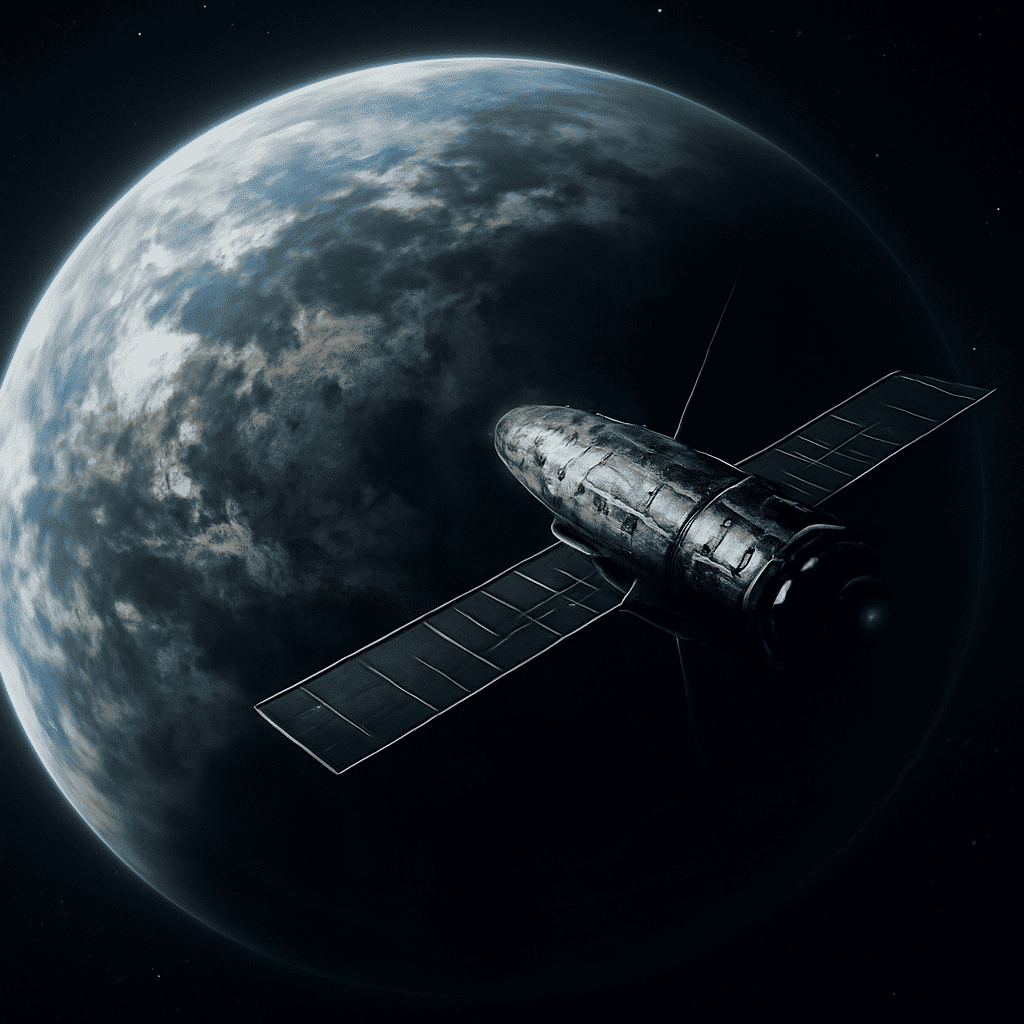
The vast, infinite expanse of space has always enchanted the human imagination, inspiring dreams of exploration and discovery. In recent years, this fascination has transcended fantasy and entered a new era of actuality as advances in technology, international collaboration, and private industry fuel a renaissance in space exploration. This burgeoning era promises not only to extend the boundaries of human presence beyond Earth but also to fundamentally transform how we understand our place in the cosmos.
At the heart of this vibrant period are ambitious missions conceived by global space agencies, including NASA, the European Space Agency (ESA), and emerging space powers like China and India. A major focus is the Moon, serving as both a stepping stone and a foundation for future manned expeditions to Mars and beyond. The Artemis program, spearheaded by NASA, aims to return humans to the Moon by the mid-2020s, with an emphasis on sustainable exploration. This mission seeks to establish a lunar base that can support scientific research and trials for new technologies critical for more distant journeys.
Meanwhile, Mars remains the next grand frontier for humanity. With the successful deployment and operation of rovers such as Perseverance, which continues to unravel the geological history and potential for past life on Mars, there is a palpable momentum towards sending humans to the Red Planet. These missions not only aim to discover potential signs of past life but also to prepare for the establishment of a human presence on a planet that has long been the subject of intrigue and speculation.
One of the most fascinating developments in contemporary space exploration is the ascent of the private sector, characterized by companies like SpaceX, Blue Origin, and others. SpaceX, in particular, has made noteworthy strides with its Starship program, designed to be a fully reusable spacecraft that could drastically reduce the cost of space travel and make Mars colonization feasible. Such innovation is paving the way for commercial space tourism, potentially allowing civilians to experience space travel and sparking a new era of public participation and investment in space exploration.
Beyond the Moon and Mars, the cosmos continue to beckon, as ambitious missions are being planned to explore the outer planets and their moons, which may harbor oceans beneath icy crusts, possibly teeming with life. The James Webb Space Telescope, launched by NASA and its partners, has already begun to transform our understanding of the universe with its unprecedented ability to peer into the distant past and study the formation of galaxies, stars, and planetary systems.
The international community is recognizing that the challenges of space exploration require global collaboration. Projects such as the International Space Station are prime examples of how countries can work together towards a common goal. As more nations develop robust space programs, collaboration will become even more crucial in addressing the technical, ethical, and environmental challenges posed by these ambitious endeavors.
Our mission to the stars is not merely a scientific venture but a deeply philosophical quest. As we explore the cosmos, we are also exploring the fundamental questions of existence: How did life begin? Are we alone in the universe? What is the ultimate fate of humanity?
As we venture further into the cosmos, space exploration is emblematic of humanity's indomitable spirit of discovery, fueled by a desire to push beyond known boundaries and to expand our horizon. The pursuit of knowledge in the cosmos continues to unite humanity with a newfound sense of purpose, illuminating the path forward in our journey among the stars.